 The white birds are White Pelicans.
They were rather odd looking birds.

 Sorry that I haven't done a post in so long but we have been helping our friends who just lost their father in the bad tornado.
 The Lee family is such a blessing to our family.
 After loosing their father in the storm they are still as faithful to GOD in all that they do and say.
 I thank God every day for sending the Lees into our life.

 May God bless this wonderful family.


 Well we are doing birds right now so naturally so let's just pick a bird like the Black Necked Swan. They would be in the Kingdom Animaliea . That is quite a mouthful.
 Next, Class Aves . Don't ask me what it means I haven't found that out, but I will tell you as soon as I do. But I think that it might be the Latin word for bird.
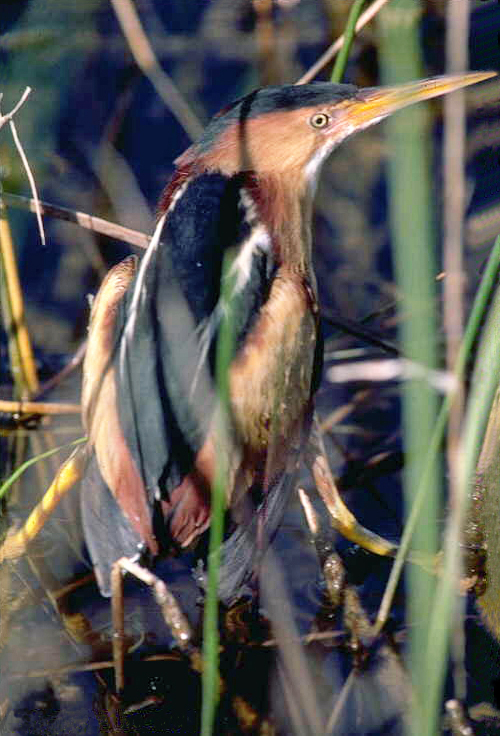 Genus. That divides the Black Necked Swan from the Trumpeter Swan.

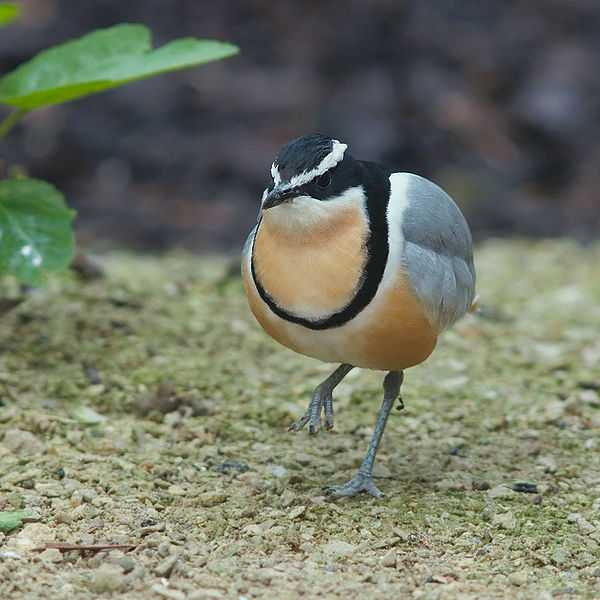 The Egyptian Coursers is like a Niel Crocodile's dentist. This odd little bird keeps the crocodile's teeth all clean and shinny and in return the courser gets a free meal. This system works out splendidly for all concerned.
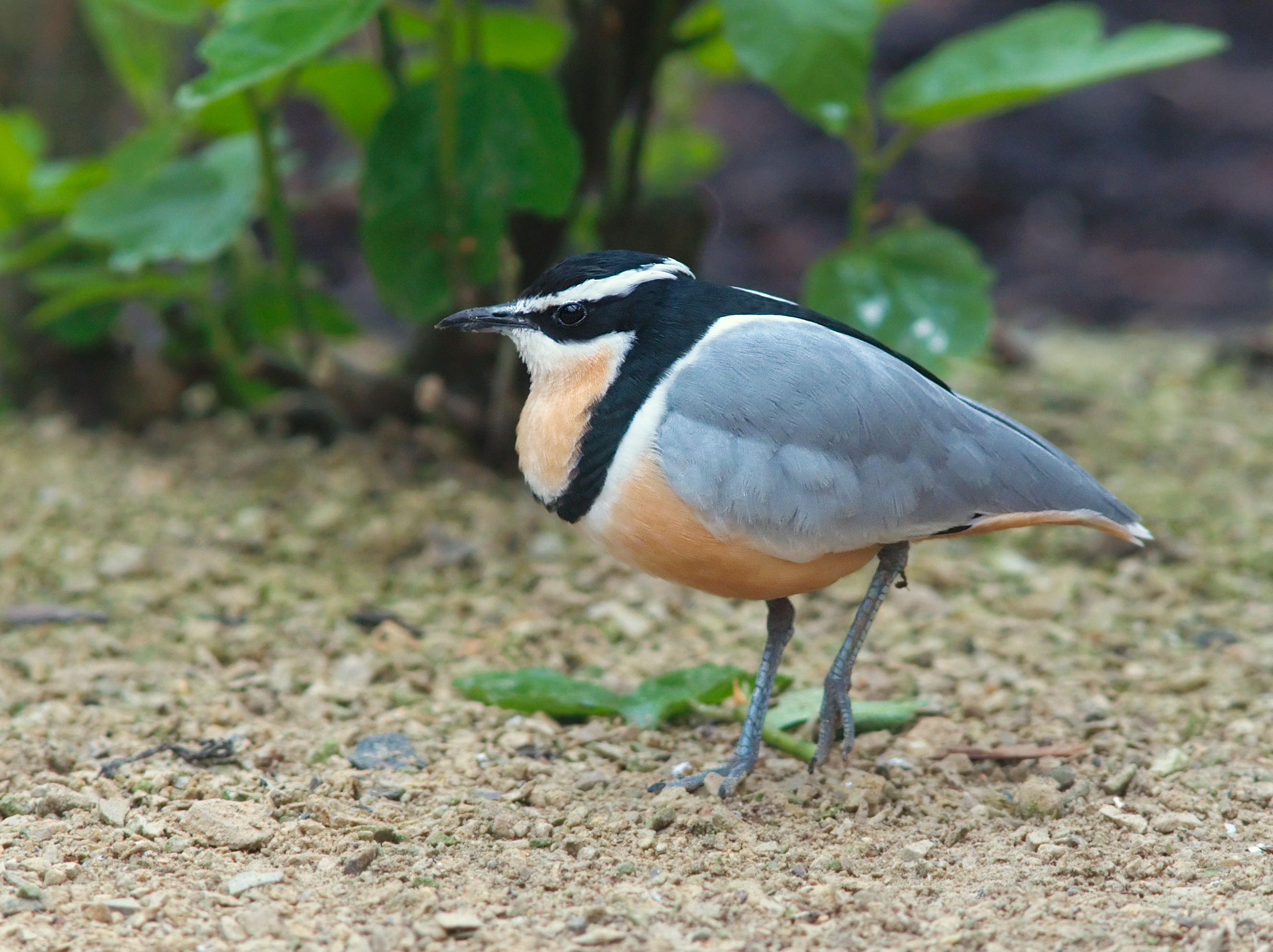 When this was first seen it was past off as consents but then as it was seen to be extremely common it was realized that the Courser really did clean the crocodiles teeth.
 As you doubtless know, Egypt is extremely hot, so how do Coursers survive?
 The third way is reflection. For instants: A Peacock gets all it's bright coloring form how the light reflex off of their feathers. -A Humming Bird's feathers also reflect.
 A Blue Jay's feathers are the same way. If you where to crush up a Blue Jay's feather it would be white. That is because the feather only turns pink if the feather is all together.
 Peregrine Falcons are known for making good hunting pets. Not so much anymore but they where used a lot by knights when they would go hunting .It lays 6-8 pinkish eggs with dark spots on a clump of grass or over the water.
 (You can see it's large feet.)
 To day is Michael's -My dear little brother has his third birthday!
 HAPPY THIRD BIRTHDAY MICHAEL!!!!!!!!!!!!!
 Sorry I haven't done a bird post in so long!
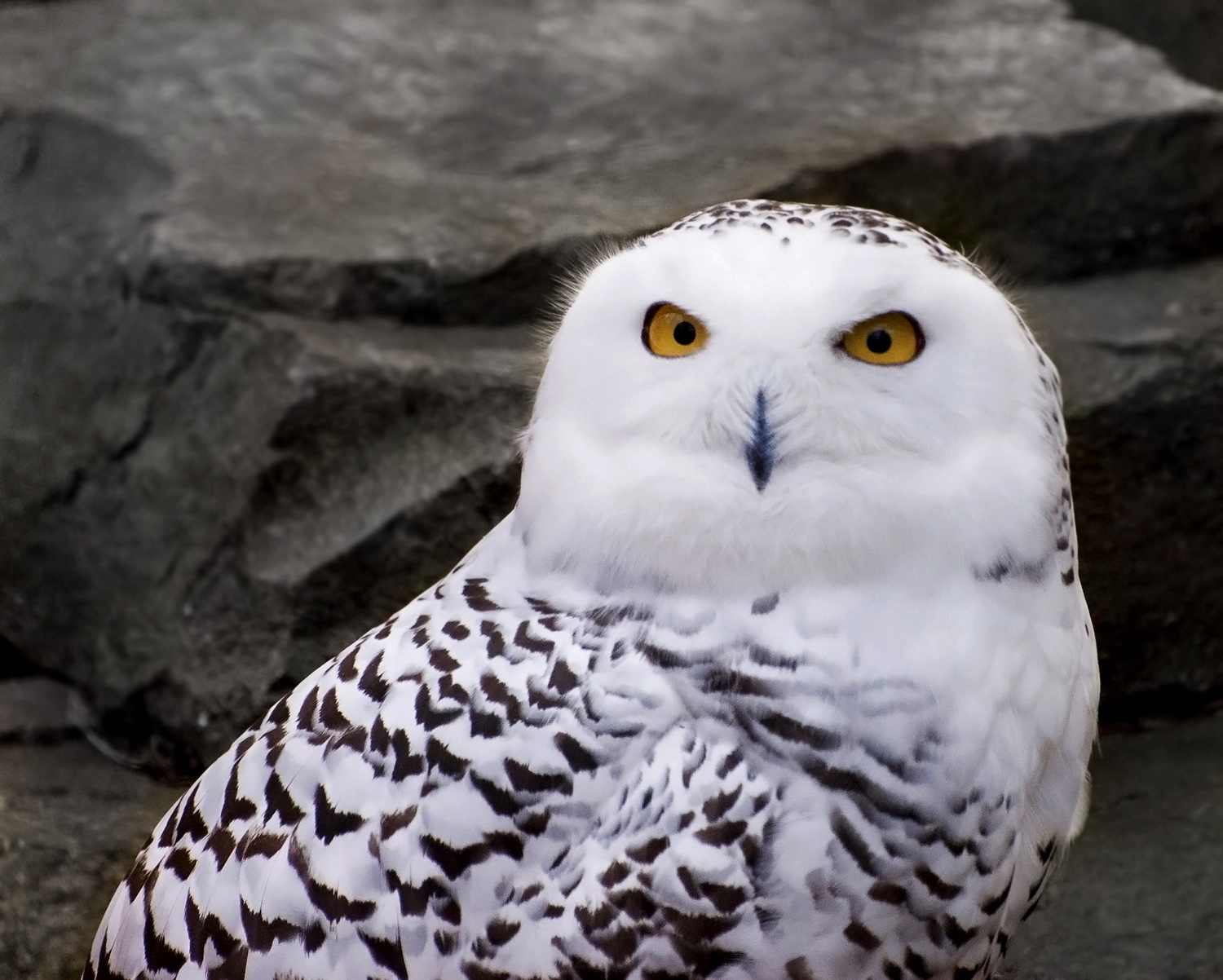
 It lives in Alaska and Canada and goes a little ways "down south" for the winter during which (or so I've read) they like to stay at airports. (Don't ask me about that. I am not the one who decides things like that.)
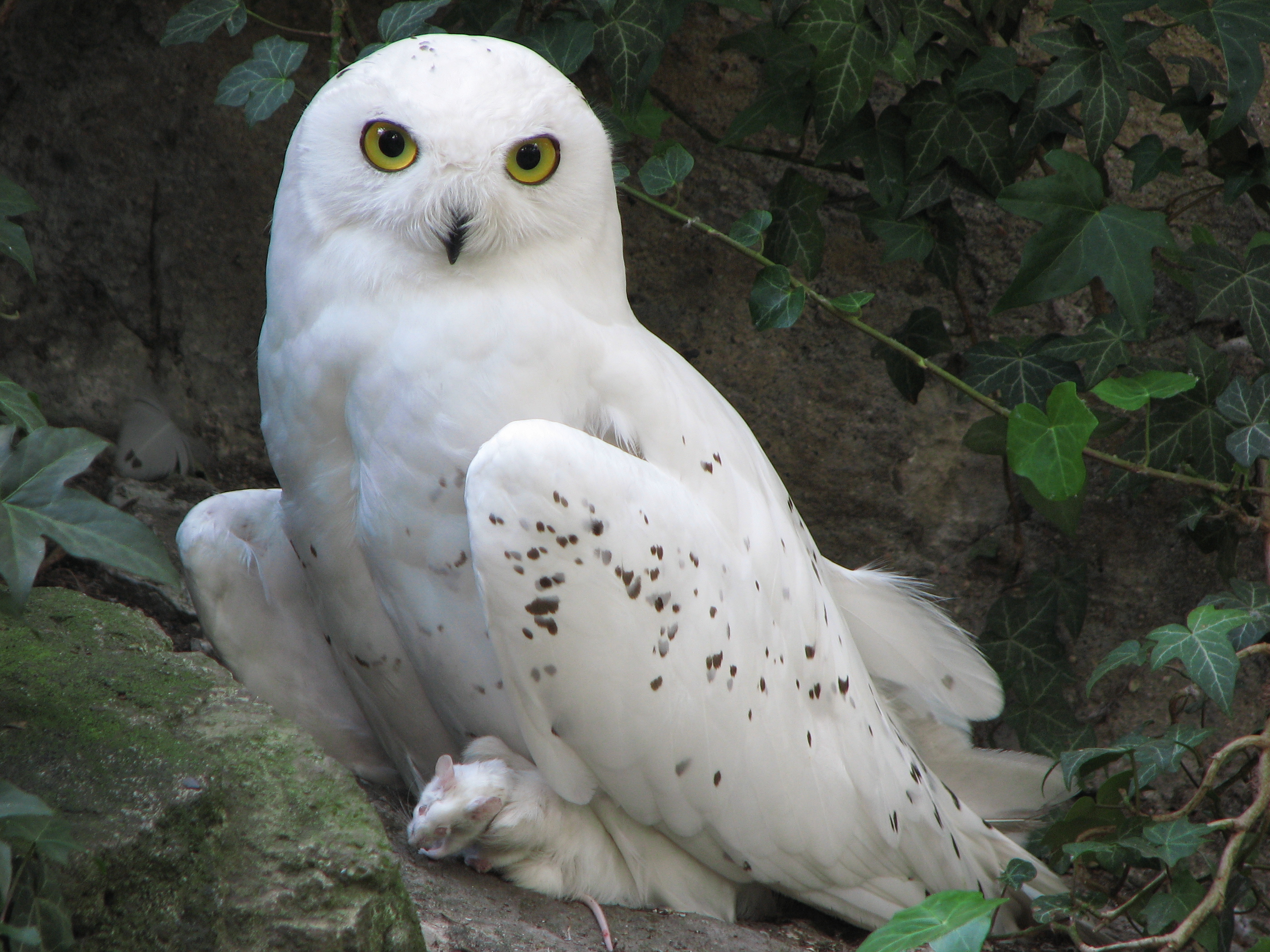 I'm not real sure how big they are, only that they are big and are white with dark spots.
 (Great markings display!)