Wednesday, March 16, 2011

Peregrine Falcon !!!

The Peregrine Falcon is a sandy brown with black wings and markings, and a touch of yellow. It's a big bird even for a bird of prey and is 15 to 21 inches.
The Peregrine Falcon doesn't really ever talk in it's ruff cackling voice. Only when it's in it's nest. Other wise it prefers to go quietly along on it's silent wings.
The Peregrine lives in open places beside streams lakes and rivers.
It lives a lot on the coast line of America from Virgina to Texas. An then from all over Alaska down along the coast of Canada down to California. It all so makes a line from Montana down to New Mexico.

Peregrine Falcons are known for making good hunting pets. Not so much anymore but they where used a lot by knights when they would go hunting .
Once in 1595 the king of England lost his beloved Peregrine Falcon. Because it was the king's everyone was looking for it.
But because his Falcon was tagged (he tagged all his favorite birds) his Peregrine falcon was finally found 1,300 miles away in a little island called Malta.

Monday, March 7, 2011

Puple Gallinule

The Purple Gallinule is about the size of a chicken and brightly colored and likes freshwater with lilies, pickerel weed and other vegetation.
It lays 6-8 pinkish eggs with dark spots on a clump of grass or over the water.
The Purple Gallinule lives in Texas, Florida, Arkansas, and Louisiana.
(You can see it's large feet.)
As the Purple Gallinule swim or flies it will jerk its head from side to side. When in the water it walks on the lily pads. The Purple Gallinule doesn't fly at an extremely fast pace but it has been seen as far as California, Southern Canada, Bermuda and South Africa.

Saturday, March 5, 2011

Happy Birthday to Michael!!!!!!!!!!!!!!

To day is Michael's -My dear little brother has his third birthday!
HAPPY THIRD BIRTHDAY MICHAEL!!!!!!!!!!!!!

Tuesday, March 1, 2011

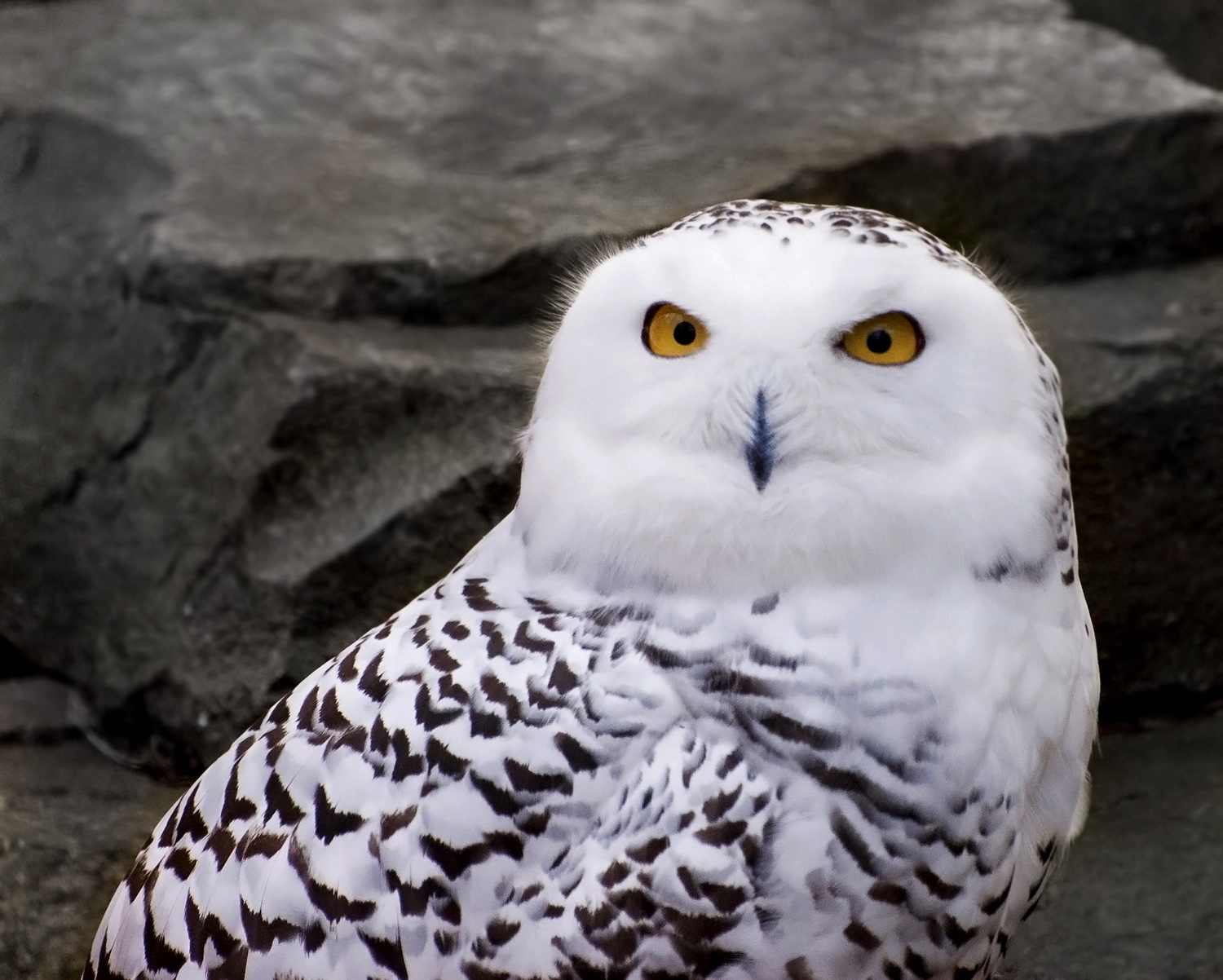
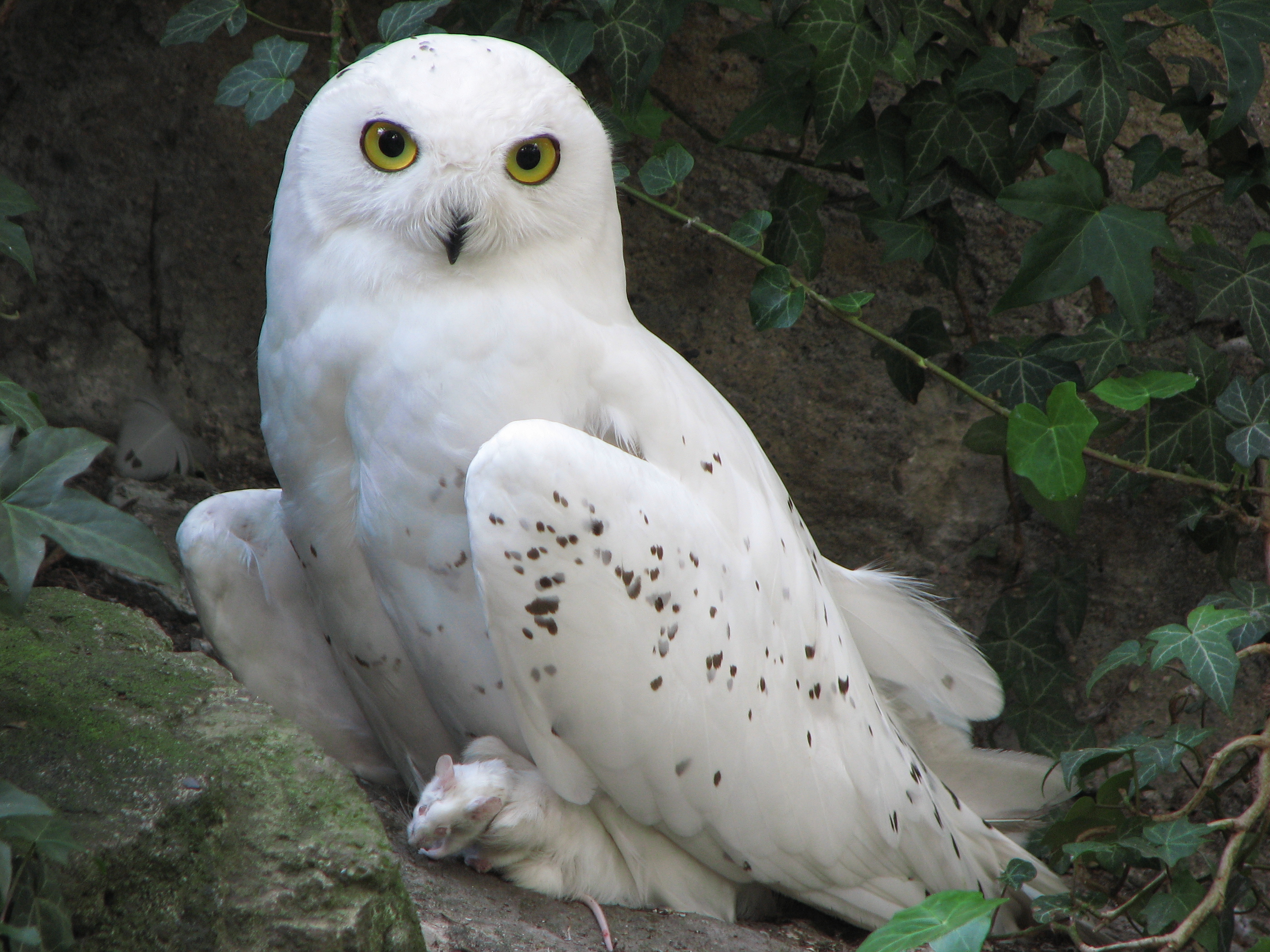
The Snowy Owl

Sorry I haven't done a bird post in so long!
The Snowy Owl seems to like places like fields or other open places. It never roosts in trees, only on the ground or on rooftops.
It lives in Alaska and Canada and goes a little ways "down south" for the winter during which (or so I've read) they like to stay at airports. (Don't ask me about that. I am not the one who decides things like that.)
I'm not real sure how big they are, only that they are big and are white with dark spots.
The females usually have more markings then the males.

(Great markings display!)
The Snowy Owls lay about 5-8 white eggs.

Tuesday, February 15, 2011

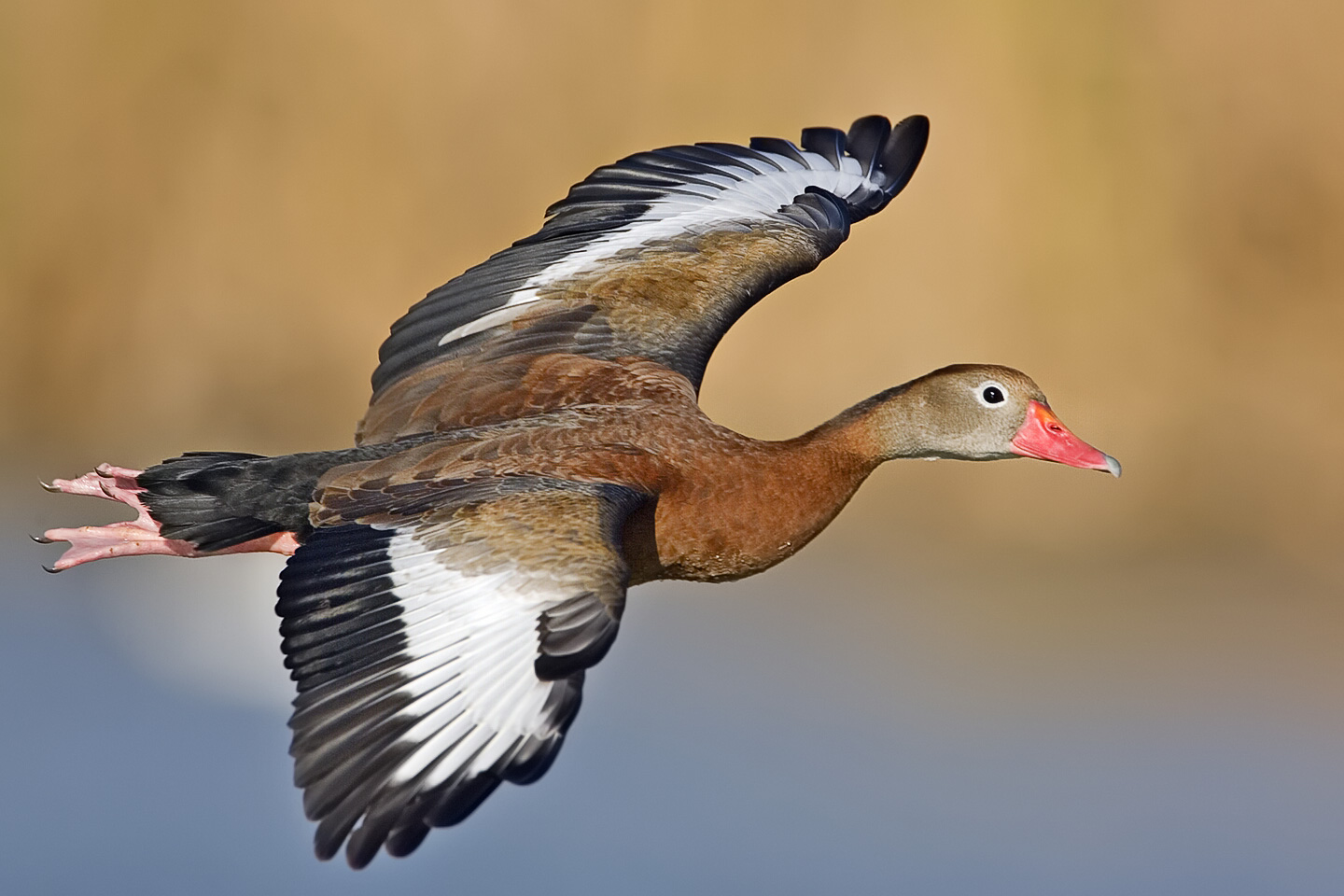
The Black-bellied Whistling Duck

The Black-bellied Whistling Duck stands about 20-22 inches in height, is easily domesticated and lays from 12- 16 white eggs in a hollow a tree, a nesting bow or on the ground.
The Black-bellied Whistling Ducks breed in Arizona, but they live mostly in Texas.
They feed in shallow water on tubers and other water vegetation.
Unlike most ducks, the Black-bellied Whistling Ducks are nocturnal. They feed and sleep during the day.

Thursday, February 10, 2011

The Three Kingfishers.

There are three different kinds of Kingfishers. The Ringed, the Green, and the Belted Kingfishers.
The Ringed and the Belted are the same size; thirteen inches but the Green is eight inches.
The belted lays five to eight eggs, the Ringed lays five to seven and the Green lays four to six, but they all lay their eggs in holes they have burrowed into the sand.

(These are all pictures of the Belted Kingfisher.)

The Ringed and the Green Kingfishers lives in the Southern most tip of Texas, but the Belted lives all over the USA including Alaska and then up into most of Canada.
The Green and the Ringed Kingfishers eat mostly fish but the Belted eats crab, crayfish, salamanders, lizards, mice and insects. The Kingfisher tosses it's catch in to the air so that it will go straight down it's throat.
And those are the Kingfishers.

Tuesday, February 8, 2011

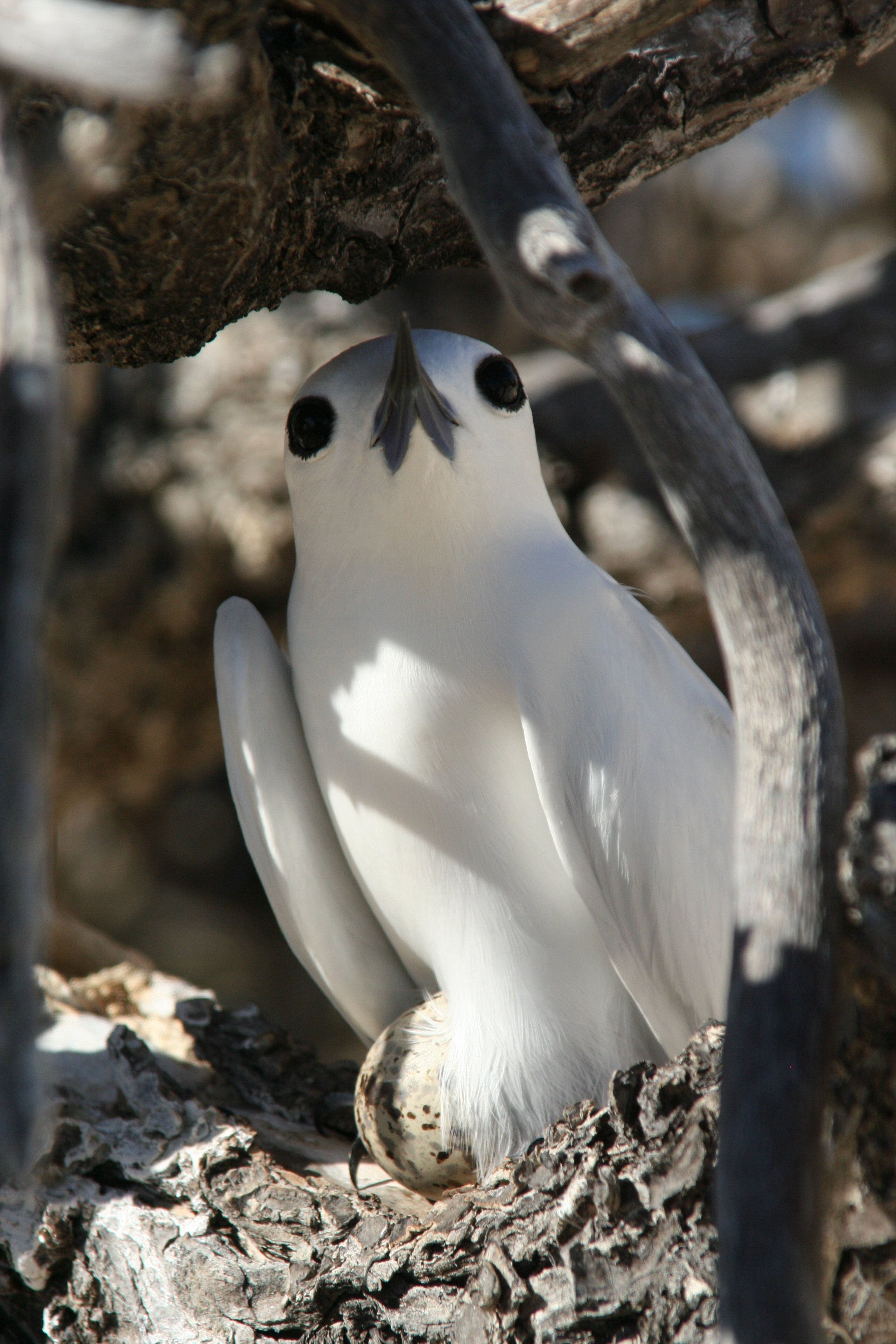
Fairy Tern

O goody! Thanks to my wonderful dad, I have lots of pictures of the Fairy Tern!

The Fairy Tern is a small delicate tropical bird and is related somehow to the gulls. I think they are by far the prettiest of the Terns. The Tern eats insects and even some small fish.
Their strangest habit is how they lay their eggs. For some odd reason, GOD gave them the longing to lay their egg in the most precarious spot they can find. It can on the edge of a cliff or balance in the fork of a tree.
When the chick hatches, it has claws on its feet to grab on to where it is sitting. It needs these because it is most likely that the chick is on the edge of a cliff!
I think it amazing how God gives each creature different features which help it to survive where it lives.

Friday, February 4, 2011

Tawny Frogmouth

This is really not a picture of a owl, but of the Tawny Frogmouth.
There are many different kinds of Frogmouths, and they live in the southern part of Asia, China and Australia.
Frogmouths sleep during the day and hunt insects at night.
They have awesome camouflage. The Frogmouth blends in to the tree that it is sitting on when it puts it's feathers down.
The Tawny Frogmouth get's it's name from it's big mouth that looks like a frog's mouth. The inside of it's mouth is a yellowish color, and it uses it to scoop up insects.

Wednesday, February 2, 2011

Hummingbirds

(I'm not really sure what kind of Hummingbird this is.)

The Hummingbird is a really cool little bird. It can do a lot of stuff other birds can't, like fly in all directions and hover. Its wings can beat up to 200 times a second. That is really fast.
For most birds the male and female stay together to raise the babies, not so with Hummingbirds. The male usually has several mates all over the place.
Each mother lays up to 2 white eggs the size of jelly beans in a cup like nest.
Pretty cool!
I don't know how many different kinds of Hummingbirds there are, so I'll have to see.

Tuesday, February 1, 2011

Eggs

When you crack a egg, you usually see a bubble like thing at one end. This contains air for the chick inside when it is ready to breath air.
How does the chick get the pocket open when it needs the air? Well GOD gave it a thing called a EGG TOOTH. When the chick is ready to hatch and needs air it will squirms around, and its sharp little tooth pokes the air bag allowing the chick to breathe.
Then it's ready to come out, it just keeps chipping away at the egg until it breaks forth.